Four kinds of 3D build, four different bottlenecks
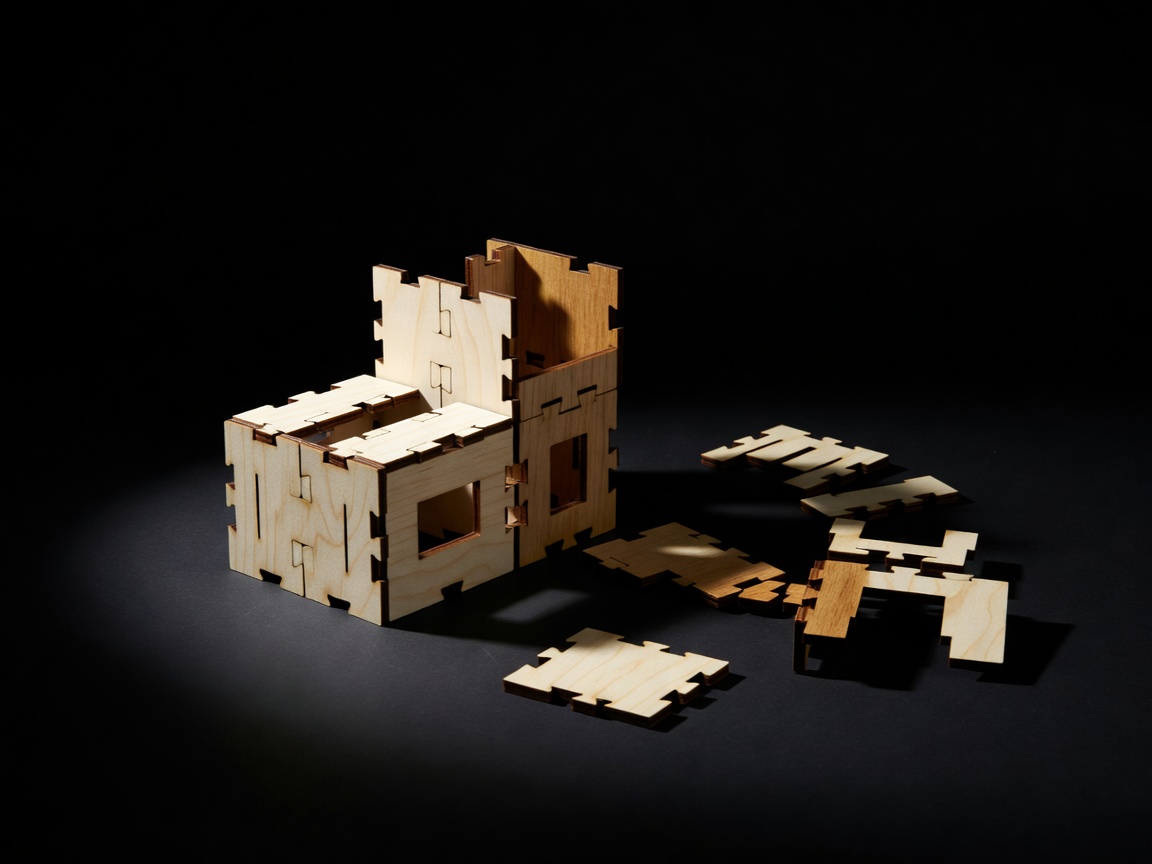
"3D puzzle" covers very different products. Foam-backed building puzzles, popularised by Wrebbit's Puzz 3D range from Montreal, rely on interlocking printed pieces that form walls and roofs. Spherical and curved plastic puzzles, such as Ravensburger's puzzleball line, use numbered or shaped pieces that only fit one curvature. Laser-cut wooden mechanical kits from makers such as Ugears and Rokr are closer to model engineering, with gears, rubber bands and moving parts. Interlocking burr and disentanglement puzzles are a separate world again, solved by logic rather than image.
| Format | Main challenge | Typical bottleneck | Method focus |
|---|---|---|---|
| Foam-backed buildings | Wall pieces with similar print | Matching walls before corners lock | Build flat panels, then raise them |
| Spherical / curved plastic | Curvature limits which piece fits | Losing orientation on the sphere | Work from a fixed pole or seam |
| Laser-cut mechanical wood | Tolerance and moving parts | Friction, misaligned axles | Test each sub-assembly before closing |
| Interlocking burr puzzles | Hidden internal geometry | Finding the key move | Systematic notation and logic |
Mainstream jigsaw championships concentrate on flat puzzles. Treat 3D building as a personal practice discipline unless a specific event publishes rules for it.
Inventory in assembly order
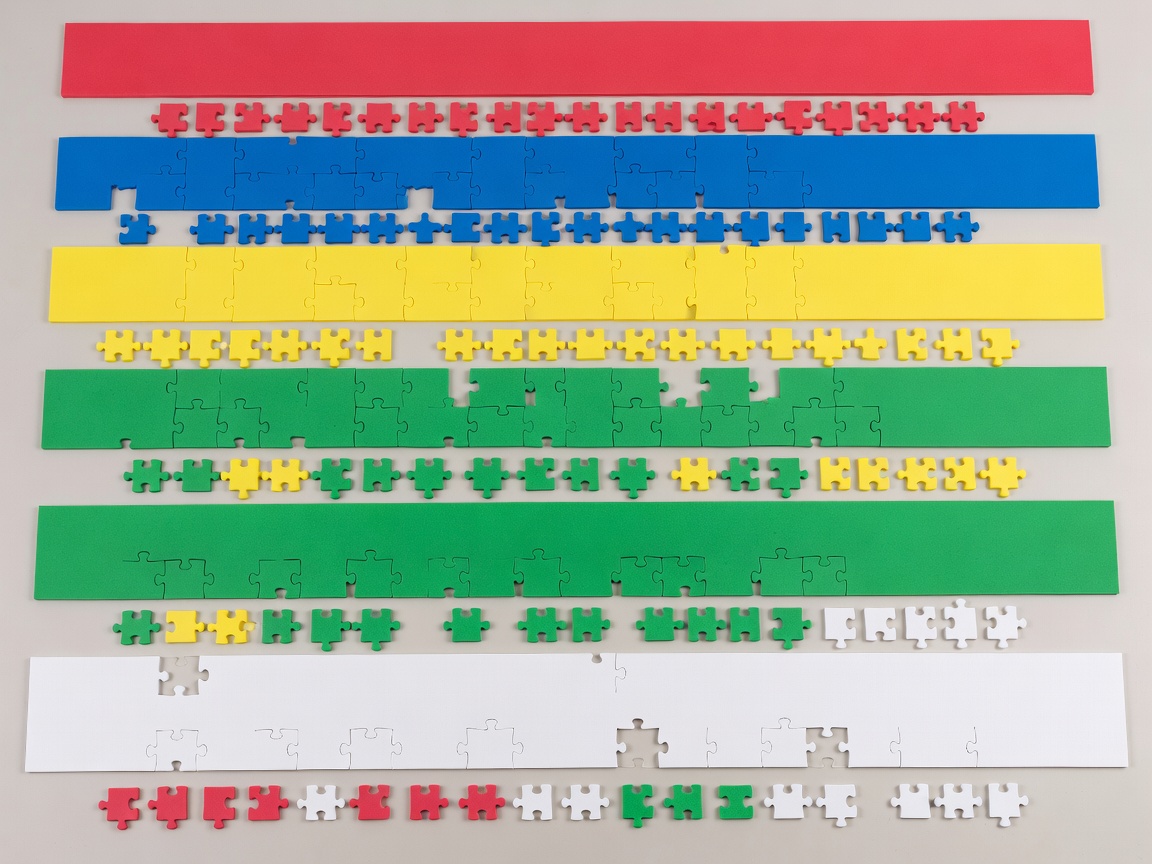
Instruction booklets number parts for manufacturing convenience, not for your hands. Before building, read the full sequence once and group sheets or bags by the stage that uses them. On wooden kits, punch out only the parts for the next stage; parts left in their sheets are protected and easy to find.
- Mark stage numbers lightly on tray labels, not on the parts.
- Note any part that appears in several stages.
- Check for warped sheets before you start, not halfway through.
Finish and test sub-assemblies
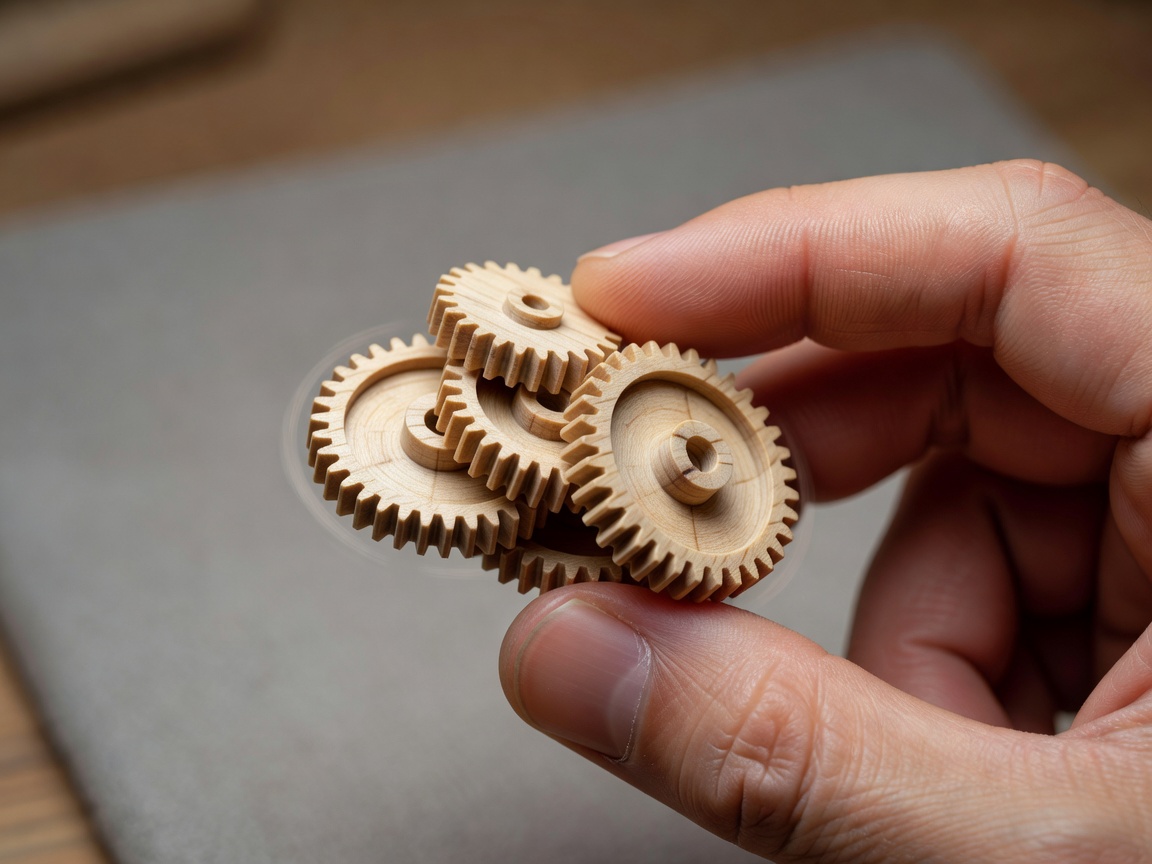
A sub-assembly is any group of parts that can be checked independently: a gearbox, a tower floor, a roof panel. Test it before connecting it. A gear that drags slightly in isolation will drag far more once it is buried inside a housing, and fixing it then can mean dismantling half the model.
For foam buildings, the equivalent is assembling each wall as a flat panel on the table. Flat work is easier to align, and you can confirm the print lines match before you commit to corners.
Respect the load-bearing order
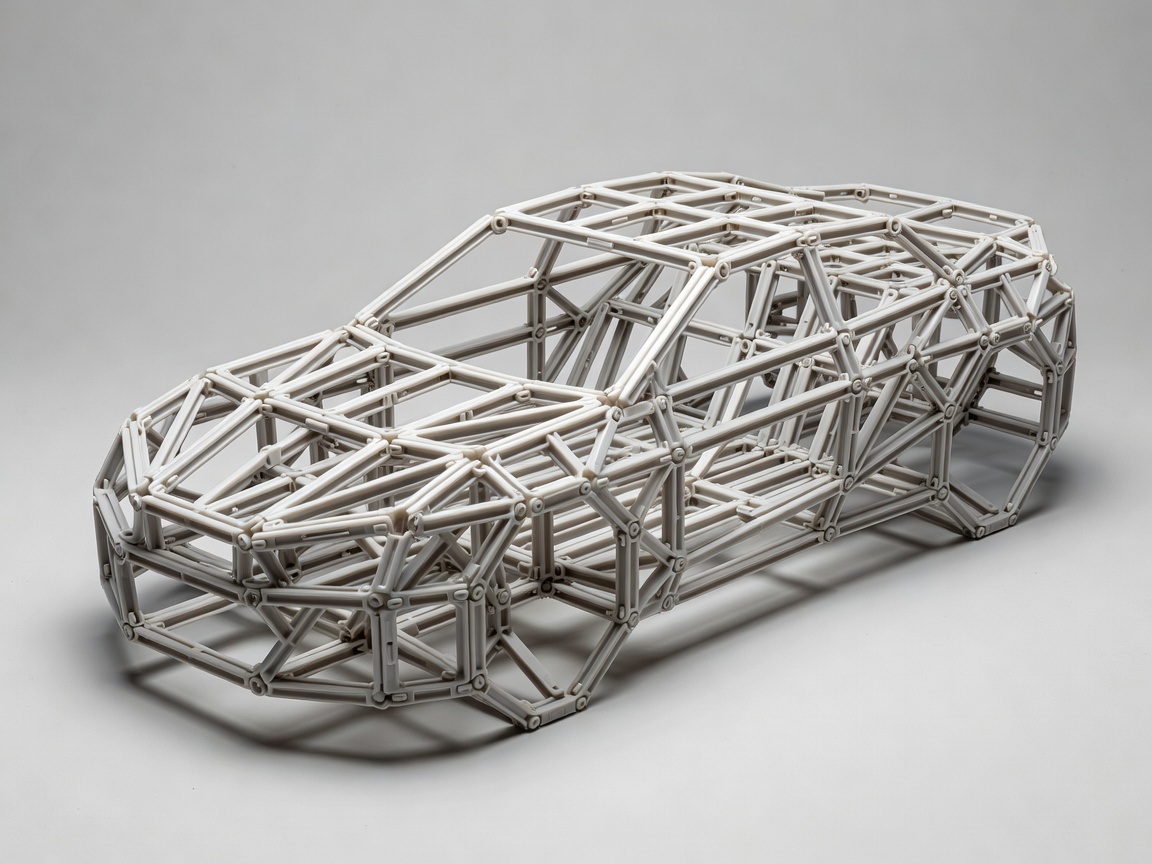
Every 3D model has a skeleton: the base plate, central spine, or internal floors that everything else references. If the skeleton is out of square by a fraction, every surface panel inherits the error, and the final pieces will gap or refuse to seat.
- Check right angles at the base before adding height.
- Seat tabs fully; a half-inserted tab lifts every part above it.
- On wooden kits, a little wax or graphite on friction points is a common maker recommendation; follow the kit's own guidance.

Align the surface last
With structure stable, surface work becomes a jigsaw problem again, with one difference: you cannot see the whole thing at once. On spheres, choose a fixed reference (a pole, a seam or an obvious landmark in the print) and always return the model to that orientation before searching. On buildings, finish one facade at a time and rotate the model, not your body.
Example build note
Illustrative structure for your own notes, not a measured result.
Moving back to flat puzzles? The Jigsaw Method covers sort criteria and endgame shape sorting.